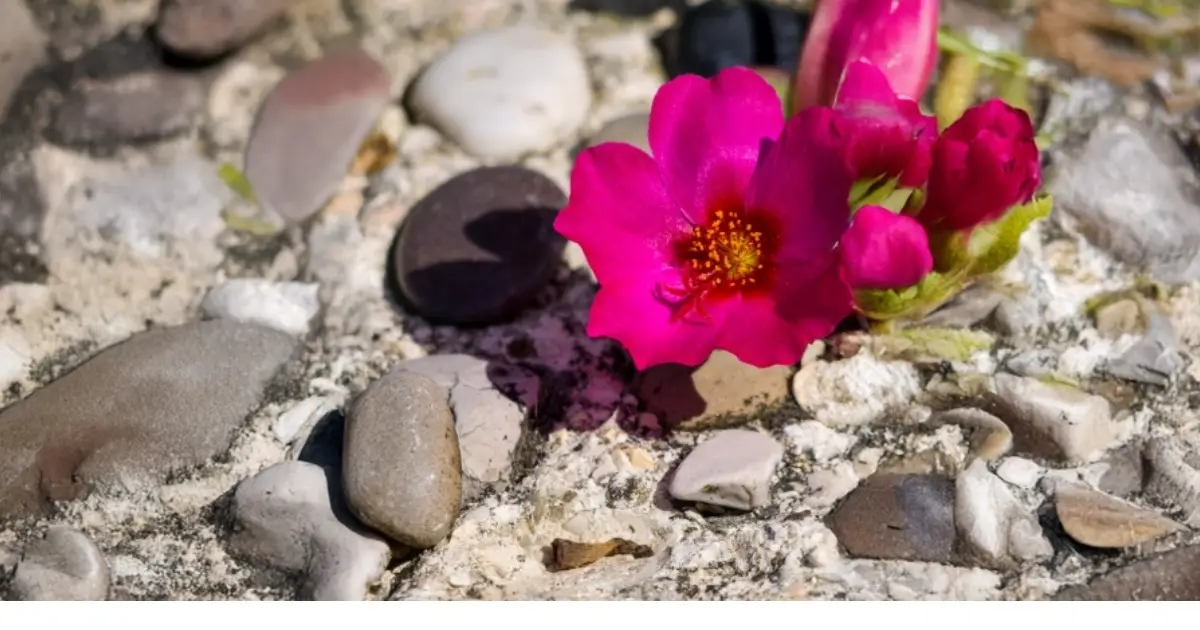
With resilience, you can turn life’s toughest moments into opportunities for transformation. When adversity strikes, it’s easy to feel knocked down or stuck—but science shows that the struggle itself can spark profound personal development. This process, known as post-traumatic growth, is at the heart of how people, families, and even communities not only recover from hardship but emerge stronger and wiser than before.
Resilience – doesn’t mean you’ll avoid the pain or that you bounce back without any scars from where you were before. On the contrary, you’ll be moving forward, strengthened. As you do so, you have integrated the lessons you’ve learned, have strengthened you’ve discovered, and the connections to family and friends – have deepened. Just as a tree’s roots grow deeper after a storm, our own resilience deepens when we face challenges head-on, drawing on mental, physical, and social resources to find new meaning and purpose.
“People develop new understandings of themselves, the world they live in, how to relate to other people, the kind of future they might have and a better understanding of how to live life.” — Dr. Richard Tedesch
The Science of Post-Traumatic Growth
Post-traumatic growth (PTG) is a well-documented psychological phenomenon where individuals experience positive change as a result of struggling with highly stressful or traumatic events. PTG is about how in the midst of your struggle to adapt, you develop :
- A deeper appreciation for life
- Stronger relationships and empathy
- Greater sense of personal strength
- Discovery of new possibilities
- Spiritual or philosophical growth
Crucially, you’ve realized that while PTG distress hasn’t disappeared — growth and pain can coexist. Uncomfortably, but bearable. The key lies in how we learn to process, adapt, and find meaning in the aftermath.
Real-World Examples of Resilience
Resilience takes many forms, from the deeply personal to the collective:
- Individual: Cancer survivors who, after treatment, report a renewed sense of purpose and stronger family bonds.
- Community: Cities like New York after 9/11 or New Orleans post-Katrina, where people came together, rebuilt, and found hope in unity7.
- Workplace: Teams that weather layoffs or setbacks by innovating, supporting each other, and emerging more adaptable.
- Family: Households facing loss or illness who discover new strengths and ways to support each other.
These examples show that resilience is not just surviving—it’s adapting, connecting, and growing in the face of adversity.
Integrating Social, Mental, and Physical Resilience
True resilience is holistic. It’s built on three interconnected pillars:
- Mental resilience: Skills like reframing challenges, practicing mindfulness, and maintaining optimism help you manage thoughts and emotions3.
- Physical resilience: Healthy habits—sleep, nutrition, exercise—fuel your brain and body to handle stress and recover faster7.
- Social resilience: Support from friends, family, and community provides encouragement, perspective, and practical help when you need it most4.
When you nurture all three, you create a strong foundation for growth, no matter what life throws your way.
Action Plan: Assess and Strengthen Your Resilience
- Reflect on Past Challenges: Identify a difficult experience and list what you learned or how you grew from it.
- Build Your Support Network: Reach out to friends, family, or groups who uplift you. Offer your support in return.
- Practice Mindfulness: Spend a few minutes daily focusing on your breath or being present in the moment to manage stress.
- Prioritize Self-Care: Ensure you’re getting enough sleep, eating well, and moving your body regularly.
- Set Realistic Goals: Break challenges into small, manageable steps and celebrate progress.
- Reframe Setbacks: View obstacles as opportunities to learn and adapt.
- Express Gratitude: Keep a journal of things you’re thankful for to foster a positive mindset.
- Seek Meaning: Reflect on your values and purpose—what gives your life meaning, even in tough times?
Coming Full Circle
From the first article’s foundations to this final piece, resilience is a journey—not a destination. Each crisis, each challenge, brings a chance to discover new strengths, deepen relationships, and find meaning that wasn’t visible before. As you integrate social, mental, and physical strategies, you create a resilient life—one that bends, but never breaks.
Call to Action:
Start today. Take one small step to strengthen your resilience—reach out, reflect, move your body, or simply breathe. The benefits are real: greater confidence, deeper connections, and the ability to turn adversity into growth. Resilience isn’t just about surviving. It’s about thriving, no matter what comes your way.
SOURCES:
- Wikipedia: Post-traumatic growth1
- American Psychological Association: Growth after trauma6
- Verywell Mind: Characteristics and examples of resilience2
- Everyday Health: Resilience in action7
- Transition and Thrive with Maria: Building resilience full circle5
- Zurich: 10 ways to boost your personal resilience4
PMC: Psychological interventions for resilience enhancement3