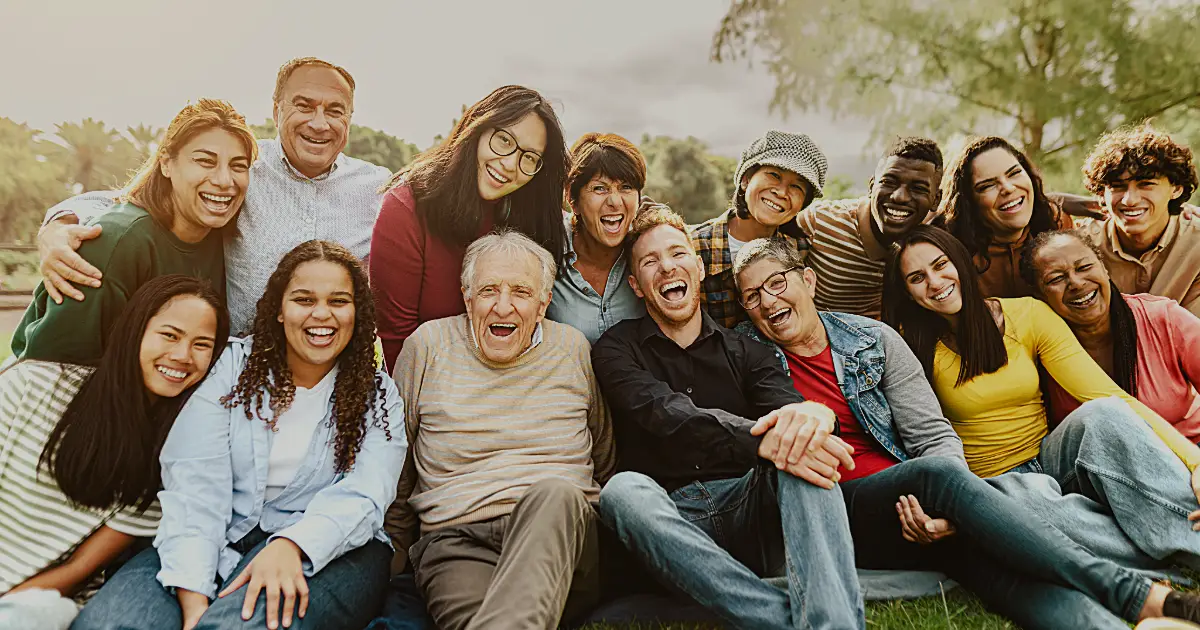
The sting of loneliness can cut like a winter wind, sharp and unrelenting, yet the warmth of a friend’s voice or a neighbor’s kindness wraps around you like a sunlit blanket. Resilience, at its core, thrives in connection—our relationships are the scaffolding that holds us steady when life’s storms rage. Far from a soft sentiment, social support is a hardwired, science-backed shield against stress, weaving together hearts and minds to face challenges with courage. This article explores how relationships bolster our ability to overcome adversity, offering practical steps to nurture your network and real-world examples to ignite action.
In the crush of hardship, isolation breeds despair, but connection sparks hope. Picture the difference: a sleepless night alone, thoughts spiraling, versus a shared coffee where laughter softens the edges of pain. Science confirms this contrast—social bonds don’t just feel good; they rewire our biology. Studies, like those from Harvard’s 80-year Study of Adult Development, show strong relationships correlate with lower stress, better health, and longer life. When we connect, oxytocin floods our system, dampening cortisol’s stress response, as found in a 2017 Nature Reviews Neuroscience study. Relationships aren’t a luxury; they’re a lifeline, anchoring us to resilience through shared stories, trust, and mutual strength.
How do you build this lifeline? Start with intention. Reach out—send a text, make a call, or share a quiet moment over tea. Consistency matters more than grand gestures; a 2021 Journal of Social and Personal Relationships study found regular, small interactions deepen bonds over time. Listen actively, letting someone’s words linger like the scent of rain-soaked earth. Offer help, too—acts of giving, per UCLA research, boost your own resilience by fostering purpose. Diversify your network: a mix of close friends, family, and community ties creates a robust web. Join a group—think book clubs, volunteer crews, or fitness classes—where shared goals forge connection. Even digital spaces, when used mindfully, can nurture ties, as virtual support groups have shown in recent studies.
Community resilience paints this truth vividly. During Hurricane Katrina, New Orleans’ tight-knit neighborhoods rallied, sharing food and shelter, their collective spirit a beacon against chaos. In 2020, mutual aid networks worldwide delivered groceries to the vulnerable, proving connection’s power to transform crisis into solidarity. These examples aren’t anomalies—research from the American Journal of Community Psychology (2019) shows communities with strong social networks recover faster from disasters. Your own network, however small, can mirror this strength, turning personal struggles into shared triumphs.
Connection isn’t just external; it paves the way for internal resilience, the focus of our next article. For now, act: reach out to one person today, listen deeply, or join a community effort. Resilience through connection asks us to lean into each other, to feel both the ache of solitude and the glow of togetherness. What does it mean to you to be truly seen and supported in your hardest moments?
Resources:
- Cacioppo, J. T., & Cacioppo, S. (2018). “The Growing Problem of Loneliness.” The Lancet, 391(10119), 426.
- Cohen, S., & Wills, T. A. (1985). “Stress, Social Support, and the Buffering Hypothesis.” Psychological Bulletin, 98(2), 310–357.
- Holt-Lunstad, J. (2021). “Social Connection as a Public Health Issue.” Journal of Social and Personal Relationships, 38(5), 1437–1444.
- Robert, R. (2019). “Harvard Study of Adult Development.” Harvard Medical School.
- Uchino, B. N., et al. (2017). “Social Relationships and Health: The Toxic Effects of Perceived Social Isolation.” Nature Reviews Neuroscience, 18(4), 231–241.
- Weil, A. R. (2019). “Community Resilience and Recovery.” American Journal of Community Psychology, 63(1-2), 12–22.
Next, we’ll explore the inner mechanisms of resilience.