Some affirmations float like dandelion seeds — pretty, but gone before they land. The ones that actually help take root. They’re shaped by memory, repetition, and emotion — more soil than sparkle.
Each affirmation is paired with a lasting quote from writers, philosophers, or poets who understood nature as part of mental clarity. That blend of language and imagery deepens emotional stickiness — the way a scent or melody can pull you back into focus.
👩⚕️ Expert Insight
“Affirmations that work are specific, sensory, and repeatable,” says Dr. Elena Marsh, psychologist and author of Grounding the Inner Voice.
“If you link a phrase to a familiar object or idea — a flower, a gesture, a color — your brain is more likely to store and repeat it.”
This is what makes visual mantras or affirmation kits effective — they rely on pattern recognition, not blind repetition.
🌸 Affirmation 1: “I open slowly, and that’s enough.”
Inspired by: Rainer Maria Rilke
“Everything is blooming most recklessly; if it were voices instead of colors, there would be an unbelievable shrieking into the heart of the night.”
When to use: mornings when pressure feels louder than energy
Why it works: It shifts focus from performance to timing
Practice: Add this phrase to your mirror or planner
Mindful Pick: Pressed floral cards with blank spaces to script your own affirmations or keep visible reminders
🌷 Affirmation 2: “I hold grace like petals.”
Inspired by: Anne Morrow Lindbergh
“Arranging a bowl of flowers in the morning can give a sense of quiet in a crowded day.”
When to use: after criticism, emotional friction, or overwhelm
Why it works: Grace isn’t passivity — it’s held calm
Practice: Say it when cleaning, tidying, or folding laundry — moments when your hands are moving and mind can settle
🌺 Affirmation 3: “Beauty counts, even when quiet.”
Inspired by: Claude Monet
“I must have flowers, always, and always.”
When to use: moments when you feel invisible or dismissed
Why it works: Reminds you that presence doesn’t depend on recognition
Practice: Pair this phrase with a wrist scent — like lavender or neroli — so it’s recalled through scent and movement.
You might love: A calming botanical roller blend that layers scent with ease and motion
🌼 Affirmation 4: “My softness has structure.”
Inspired by: May Sarton
“Help us to be the always hopeful gardeners of the spirit… without darkness nothing comes to birth, as without light nothing flowers.”
When to use: when boundaries feel blurry or you’re feeling drained
Why it works: Offers a reminder that gentleness isn’t shapeless
Practice: Write it down and place it inside your bag or journal — your sacred place you return to feel safe.
🌻 Affirmation 5: “I bloom where I am seen.”
Inspired by: John O’Donohue
“May you recognize in your life the presence, power and light of your soul.”
When to use: post-scrolling, social comparison, or loneliness
Why it works: Visibility doesn’t need to be universal to be valid
Practice: Repeat before stepping into group spaces — meetings, messages, or gatherings
Affirmation 6: “I let gentleness return to me.”
Inspired by: Mary Oliver
“It is a serious thing just to be alive on this fresh morning in the broken world.”
Use when: you’re rushing into your day, feeling disconnected
Why it helps: It reminds you that existing with awareness is enough.
Try this: Say it while opening a window or stepping outside — tie it to a moment of real air or light.
🌿 Affirmation 7: “I am allowed to stay soft.”
Inspired by: Nikita Gill
“Some days, I am more wolf than woman and I am still learning how to stop apologizing for my wild.”
Use when: you’re tempted to armor up emotionally
Why it helps: Strength doesn’t require tension. Softness is protective too.
Try this: Write it on a small card and tuck into your phone case or wallet — a quiet, visible reminder in tense environments.
🌼 Affirmation 8: “I am allowed to grow unnoticed.”
Inspired by: Lao Tzu
“Nature does not hurry, yet everything is accomplished.”
Use when: you’re questioning your pace or visibility
Why it helps: It removes the pressure of performance and rewards quiet development
Try this: Pair this phrase with a small flower placed in your workspace — something simple, unshowy, that still opens fully
🌸 Affirmation 9: “Stillness is a kind of progress.”
Inspired by: Rabindranath Tagore
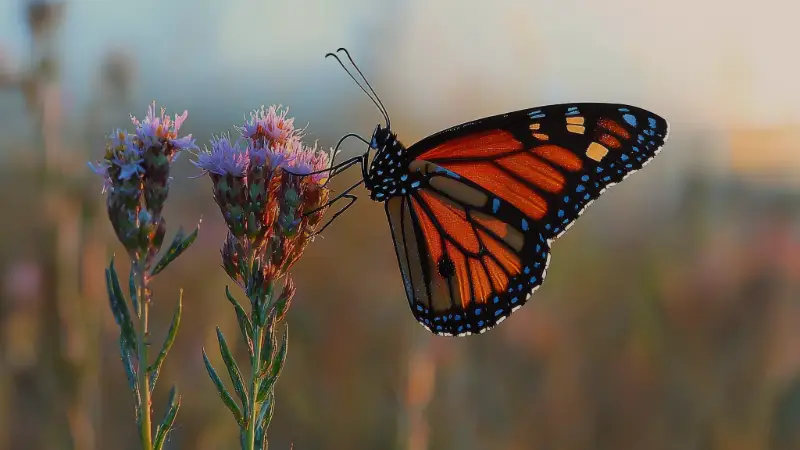
“The butterfly counts not months but moments, and has time enough.”
Use when: you feel stuck, restless, or ashamed of “doing nothing”
Why it helps: Stillness nourishes. It doesn’t delay growth — it supports it.
Try this: Write this down and place near your bed or bath area. Let it be the last phrase you see before rest.
🌹 Why They Work
Each affirmation combines three parts: a visual cue (flower), a verbal structure (repeatable rhythm), and a deeper context (literary source). This combo gives your brain something it can grasp — and store. The more often you pass by the phrase, the more fluently your body remembers what it means.
- “These affirmations are designed using research-backed principles from cognitive psychology and neuroscience.”
- “Rooted in sensory repetition, visual association, and emotionally resonant language — all supported by studies in neuroplasticity and behavioral therapy.”
- “Pairing affirmations with imagery and literary quotes activates more stable neural pathways than generic phrases.”
- “Created with insights from experts like Dr. Kristin Neff (self-compassion), Dr. Rick Hanson (positive neuroplasticity), and Dr. Elena Marsh (grounded affirmations).”
📚 References
- Marsh, E. Grounding the Inner Voice (2021)
- Rilke, R.M., Letters on Life
- Lindbergh, A.M., Gift from the Sea
- Monet, C., Letters and Journals
- Sarton, M., Journal of a Solitude
- O’Donohue, J., Anam Cara: A Book of Celtic Wisdom